
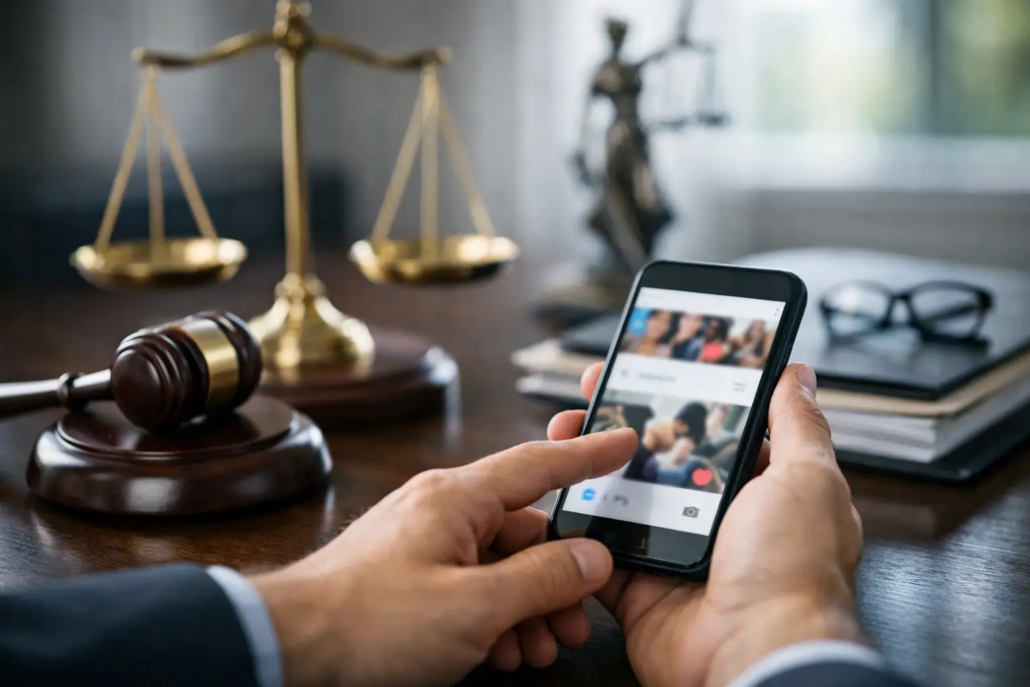
Can Social Media Hurt Claims?
A smiling photo at a family barbecue can look harmless to you and look like an opportunity to an insurance company. That is why people often ask, can social media hurt claims after a car crash or other injury? The short answer is yes. What you post, what others tag you in, and even what you joke about online can be twisted to argue that you are less injured than you say, less careful than you should have been, or less credible than a jury should trust.
When you are trying to heal, social media may feel like a normal way to stay connected. But if you are pursuing compensation, normal habits can suddenly carry real consequences. This is not about fear. It is about protection. A single post can become a weapon in the hands of an adjuster or defense lawyer whose job is to pay you as little as possible.
Why can social media hurt claims so easily?
Personal injury claims often turn on proof. Insurance companies look for anything they can use to challenge your story, reduce the value of your injuries, or shift blame onto you. Social media gives them a stream of pictures, comments, timestamps, locations, and interactions that may seem casual but can be presented as evidence.
The problem is context. Online content rarely tells the full story. A photo of you standing at a birthday party does not show the pain you felt an hour later. A post saying you are “doing better” does not explain that you are still in treatment, missing work, and waking up every night in pain. But once that content exists, the other side may use it anyway.
This is especially true in claims involving serious injuries, lost wages, pain and suffering, or long-term limitations. The more compensation is at stake, the harder the defense may search for material they can use against you.
The posts that can damage an injury case
Not every post destroys a claim. But some types of content create real risk.
Photos and videos are the obvious danger. If you claim a back injury and then post a video dancing at a wedding, the defense will not care that the clip lasted fifteen seconds and cost you two days of pain afterward. They will present the image, not the aftermath.
Status updates can be just as damaging. If you write that you feel great, that you are glad the accident was “not a big deal,” or that you are back to normal, those words may be used to challenge your medical records. Casual language can sound very different in a legal setting than it did when you typed it.
Comments matter too. Even joking replies can be pulled into a case file. If a friend writes, “You are lucky you got money out of this,” and you answer with a laughing emoji, that exchange can be framed in a way that questions your motives.
Check-ins and location tags may also cause problems. If your claim involves limited mobility but your account shows you at the beach, a concert, or a gym, the defense may try to suggest you are exaggerating. Again, they do not need the full truth to create doubt. They only need something they can point to.
Can social media hurt claims even if your account is private?
Yes. Privacy settings help, but they do not make you untouchable.
A private account is still not truly private in a legal dispute. Friends can share screenshots. Tagged photos can spread beyond your intended audience. In some cases, parties may seek access to relevant posts during the discovery process. Courts do not automatically allow fishing expeditions, but if the defense can show there may be relevant evidence on your account, private content can become part of the fight.
There is also the practical side. Many people forget old posts, public profile details, or comments left on public pages. Even a profile picture or cover photo can send the wrong message. Once a claim is filed, assume that anything visible online could be reviewed.
What insurance companies and defense lawyers look for
They are not just looking for a photo of you lifting weights after a crash. They are looking for contradictions.
If you say your injuries keep you from driving, they may look for posts showing travel. If you claim emotional distress, they may point to smiling photos as if happiness in one moment cancels trauma in the rest of your life. If liability is disputed, they may look for posts about drinking, distracted driving, or where you were before the accident.
They also look at timing. A post made minutes before a wreck, or hours afterward, can be used to argue about your conduct, your condition, or your credibility. That is one reason people should be careful even before they think they have a case. Online activity creates a record.
In Miami injury cases, where traffic accidents are common and insurers often push hard to limit payouts, this kind of scrutiny is not rare. It is part of how claims are fought.
What you should do after an accident
The safest move is simple. Stop posting about the accident, your injuries, your treatment, your activities, and your case.
That does not mean you have to disappear from the internet forever. But while your claim is active, caution matters. Ask friends and family not to tag you, not to post photos of you, and not to discuss your condition online. Review your privacy settings, but do not rely on them as your only protection.
There is one thing you should not do: delete existing posts without legal advice. People often think cleaning up their accounts will help. It can create a different problem if it looks like evidence was destroyed. A lawyer can guide you on how to protect yourself the right way.
You should also be careful with private messages. Many people assume direct messages are off limits because they are personal. That assumption can be dangerous. If a message is relevant to the issues in a case, it may become disputed ground.
Social media is not always fatal, but it can lower the value of your claim
This is where nuance matters. A single post does not always destroy a valid case. Good claims survive bad facts all the time. The question is whether social media gives the other side more room to argue.
Maybe your photo does not prove you are uninjured, but it may help an insurer justify a lower offer. Maybe your comments do not defeat liability, but they may make settlement negotiations harder. Maybe your account does not sink your case in court, but it can still be used to pressure you when you are already overwhelmed.
That is why people should take this seriously early. The damage often happens long before trial. It happens during the back-and-forth with insurance adjusters, where doubt becomes leverage and leverage becomes a smaller check.
How a lawyer helps protect you from social media mistakes
An experienced injury lawyer does more than file paperwork. A good lawyer helps you avoid avoidable harm.
That includes warning you about social media, reviewing issues before they grow, and building your case around medical evidence, treatment records, witness statements, and facts that actually reflect what your life looks like after an injury. When the defense tries to distort a photo or comment, your attorney should be ready to push back hard and put that evidence in context.
For injured people, this matters because you are already carrying enough. Pain, appointments, missed work, bills, and uncertainty can make every decision feel heavy. You should not also have to guess whether a birthday picture or a casual post will cost you compensation.
Madalon Injury Law represents people who need someone in their corner when insurers start looking for excuses. If you are trying to understand your options after an accident, you can also review information here: https://accident.usattorneys.com/florida/.
Can social media hurt claims if someone else posts about you?
Yes, and this catches many people off guard.
You might follow every rule and still face problems because a friend uploads a group photo, a relative comments that you seem fine, or someone tags you at an event. Even if you did not create the post yourself, it can still become part of the defense strategy.
That is why it helps to tell the people around you that your case is active and that you need privacy. Most people mean well. They just do not realize a casual post can affect your recovery in more ways than one.
If you are injured and pursuing a claim, think of social media as a public stage, not a private conversation. You do not need to panic, and you do not need to pretend your life has stopped. You just need to protect your case with the same care you would protect your health, because both matter to your future.