
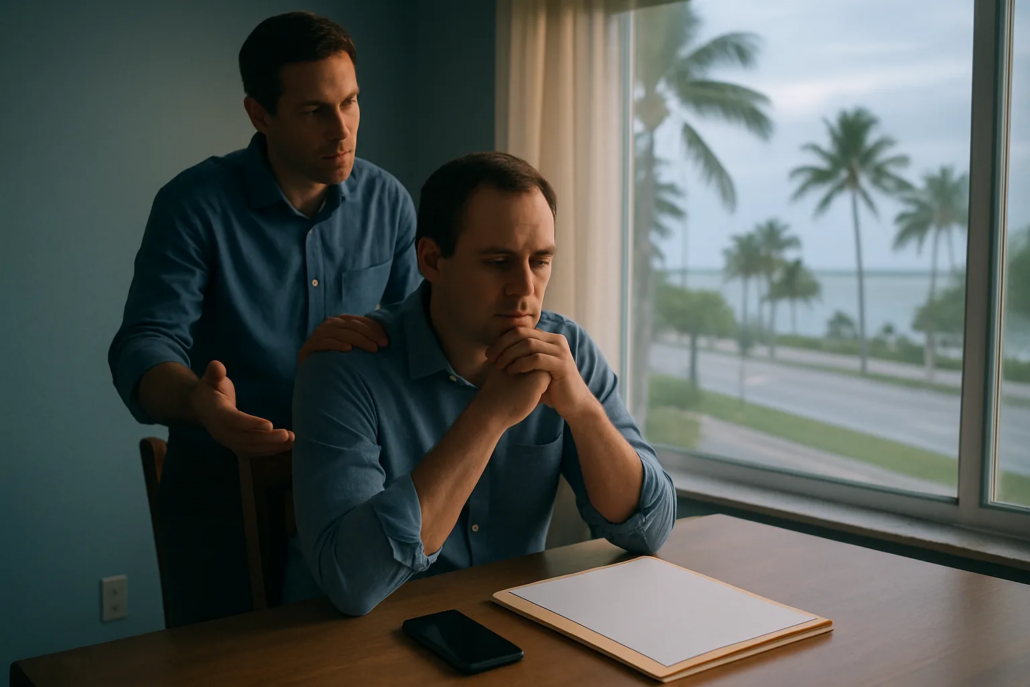
Discharged Too Soon After a Florida Crash in Fort Lauderdale
A car crash patient may leave an emergency room believing the most serious danger has passed, only to develop stronger pain, dizziness, confusion, weakness, or other concerning symptoms later. That situation can be frightening, but it does not automatically establish medical negligence. The key question is often whether the care team acted reasonably based on the information available at the time of evaluation.
For someone asking, “Was a Florida crash victim discharged too soon from the emergency room?” the issue may involve both medical care and evidence. A patient or family may need to preserve discharge paperwork, medication instructions, return-visit records, and a clear record of worsening symptoms. These details can help a qualified attorney and medical professionals understand what happened.
Joseph Madalon helps injured people evaluate the relationship between a crash, later complications, and the care received. This article explains possible warning signs, practical documentation steps, and legal issues that may arise in Fort Lauderdale and Broward County. It is general information, not a diagnosis or legal advice.
What Does Discharged Too Soon After a Florida Crash Mean?
Being discharged after an accident is not, by itself, proof that an emergency room made a mistake. Emergency departments must make decisions using the patient’s reported symptoms, examination findings, medical history, test results, and changes observed during the visit. Some injuries are difficult to detect immediately, and symptoms may evolve after discharge even when the initial evaluation was reasonable.
A potential hospital discharge error may require closer review when the record suggests that important information was overlooked or not acted upon. Depending on the circumstances, questions may concern whether the patient received adequate observation, appropriate testing, consultation, discharge instructions, or follow-up planning.
Symptoms and information that may matter
A lawyer and medical expert may examine whether the patient reported or displayed issues such as:
- Increasing headache, neck or back pain, abdominal pain, or chest discomfort;
- Fainting, confusion, unusual drowsiness, weakness, numbness, or balance problems;
- Abnormal vital signs or test findings that required further evaluation;
- A medication or discharge plan that did not address documented risks; or
- A stated need for follow-up that was unclear, delayed, or not communicated.
These factors do not prove malpractice. In Fort Lauderdale, FL, Broward County, a medical malpractice analysis generally turns on the applicable professional standard of care, whether it was breached, and whether that breach caused a legally recognized injury. Florida law governs the claim, and legal standards and procedures may change over time.

Preserving Evidence After a Florida Crash ER Discharge
When symptoms worsen after leaving the emergency room, documentation can become important. Patients and families are often focused on recovery, so records may be incomplete or scattered. A consistent timeline can help show what the patient felt, what instructions were given, when symptoms changed, and what care followed.
Depending on the situation, a person may consider preserving the following information for discussion with a licensed attorney:
- Discharge paperwork: Keep every page provided by the emergency department, including diagnoses, test summaries, restrictions, warning signs, and follow-up directions.
- Medication instructions: Save prescription labels, printed instructions, pharmacy records, and notes about whether medication was taken, ineffective, or caused a reaction. Do not change treatment based solely on this article; medication questions should be directed to a medical professional.
- Return-visit records: Request and retain records from a later emergency-room visit, urgent-care visit, primary-care appointment, specialist consultation, hospitalization, imaging study, or procedure.
- A symptom timeline: Write down when symptoms began or intensified, what was reported to each provider, and how symptoms affected ordinary activities.
- Crash-related evidence: Preserve the accident report, insurance correspondence, photographs, witness information, and records connecting the collision to the initial treatment.
In Broward County, a later diagnosis does not automatically show that the first emergency department should have made it. Medical records, expert review, and the timing of symptoms may all be relevant. Avoid altering original records or relying on memory alone when contemporaneous notes are available.
Potential ER Discharge Malpractice Issues in Fort Lauderdale
Medical malpractice cases involve more than an unfavorable outcome. A patient generally must show that the healthcare provider’s conduct fell below the applicable standard of care and that this failure caused harm. The details can vary based on whether the issue concerns an emergency physician, hospital, nurse, radiology service, or another provider.
Potential questions in an emergency room negligence review may include:
- Did the provider obtain and document a sufficient history after the collision?
- Were the examination and testing appropriate for the reported mechanism of injury and symptoms?
- Were abnormal findings accurately interpreted and communicated?
- Was consultation or observation reasonably indicated by the circumstances?
- Did the patient receive understandable warnings about symptoms requiring prompt evaluation?
- Was follow-up planning appropriate and documented?
A later provider’s diagnosis may be useful evidence, but it is not conclusive by itself. The review may require the complete chart, imaging, nursing notes, medication administration record, discharge materials, and records from subsequent care. It may also require an appropriate medical expert to assess whether the care met the standard applicable in Florida.
Florida medical malpractice claims can involve procedural requirements before a lawsuit is filed, and time limits may apply. Those requirements depend on the facts and the identity of the defendant. A Fort Lauderdale attorney can explain the process after reviewing the circumstances, while Broward County court procedures may differ from procedures in other jurisdictions. Because laws can change, current legal guidance is important.
Common mistakes that can make review harder
People sometimes discard discharge papers, wait to record worsening symptoms, assume a later diagnosis proves negligence, or discuss detailed medical information publicly. They may also overlook the difference between a complication that can occur despite reasonable care and an injury caused by a preventable error. Careful record preservation and a focused legal review can help separate those issues without drawing premature conclusions.
Frequently Asked Questions
Can a later diagnosis prove the Florida emergency room was negligent?
No. A later diagnosis may raise questions about the earlier evaluation, but it does not by itself prove that the emergency room breached the standard of care. Some crash-related injuries are not apparent during the first visit, and symptoms can change over time. A qualified medical expert may need to assess the original symptoms, examination, testing, records, and timing before an attorney can evaluate whether a malpractice claim may exist under Florida law.
What records should a family request after an ER discharge?
Depending on the circumstances, a family may seek the complete emergency-department chart, discharge instructions, medication records, imaging and test reports, nursing documentation, bills, and records from later providers. The accident report and insurance materials may also help establish the surrounding timeline. Requests should be handled carefully because record-access rules and authorization requirements can apply. A licensed attorney can explain what may be relevant and how to preserve it.
Does returning to the hospital strengthen a discharge malpractice claim?
A return visit may provide important evidence about when symptoms worsened and what later providers observed. However, returning to the hospital does not automatically establish that the first discharge was improper. The significance depends on the original presentation, the instructions given, the timing of the return, later findings, and expert medical analysis. It is useful to preserve records from both visits and avoid assuming that any single document decides the issue.
Can a Fort Lauderdale attorney review both the crash and the medical care?
Often, an attorney handling personal injury and medical malpractice issues can examine how the collision, initial treatment, later complications, and available insurance may relate. These are distinct legal questions and may involve different proof requirements. The attorney may also identify whether another qualified professional is needed to review the medical care. Laws and deadlines vary in Florida, so a case-specific evaluation is important before drawing conclusions.
How Joseph Madalon Can Help
Joseph Madalon is dedicated to helping injured people understand how a crash and subsequent medical care may affect their legal options. The firm can review the available timeline, discharge paperwork, medication instructions, return-visit records, and evidence of worsening symptoms. It may also help identify questions about observation, testing, consultation, communication, and follow-up planning.
A careful evaluation does not assume that every complication reflects negligence. Instead, it examines the records, applicable Florida standards, causation issues, and available evidence. If you or a family member experienced complications after an emergency-room visit in Fort Lauderdale, FL, contact Joseph Madalon for a free consultation or case evaluation.
The information in this article is for educational purposes only and does not constitute legal advice. Contact a qualified attorney licensed in Fort Lauderdale, FL; Broward County for advice specific to your situation.