
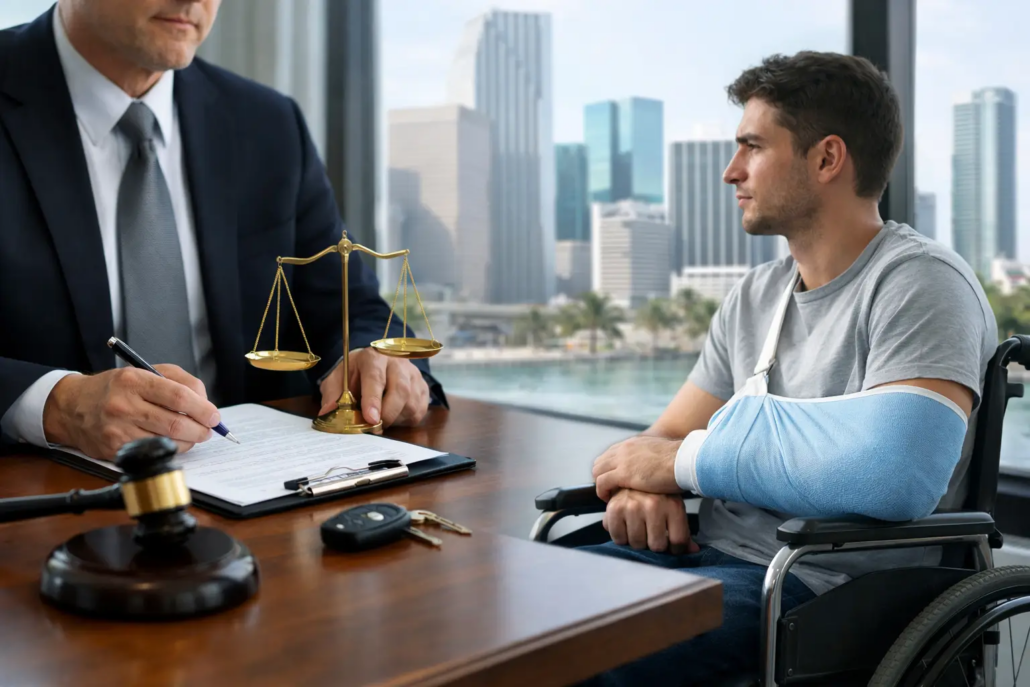
Injury Lawyers in Miami: What Matters Most
After a serious accident, the pressure starts fast. Medical bills pile up, work gets missed, pain interferes with sleep, and the insurance company often calls before you have had time to understand what just happened. That is when Injury Lawyers in Miami can make the difference between being pushed into a low settlement and being fully protected while you heal.
If you are hurt because someone else was careless, you should not have to carry the financial burden alone. A strong injury lawyer does more than file paperwork. They step between you and the insurance company, protect the value of your case, gather proof before it disappears, and fight for compensation that reflects the real damage done to your life.
What injury lawyers in Miami actually do
A lot of people assume a personal injury lawyer only becomes necessary if a case goes to court. In reality, the most important work often happens long before a lawsuit is filed. A lawyer investigates the accident, identifies who is legally responsible, collects records, speaks with witnesses, reviews insurance coverage, and calculates what your claim is truly worth.
That matters because insurance companies are not in the business of paying maximum value. They look for ways to minimize claims. They may argue that your injuries were preexisting, that you were partly at fault, or that your treatment was not necessary. If you do not have someone pushing back with evidence and strategy, those arguments can shrink your recovery fast.
In Miami, injury cases can involve heavy traffic crashes, dangerous properties, boating incidents, rideshare collisions, pedestrian injuries, and medical negligence. Each type of case has its own pressure points. A lawyer who handles these claims regularly knows where insurers and defense lawyers usually attack and how to answer them.
Why timing matters after an injury
One of the biggest mistakes injured people make is waiting too long to get legal help. That delay is understandable. You may think the insurer is being reasonable. You may believe your injuries will improve quickly. You may just want life to calm down before taking action.
But evidence does not wait. Surveillance footage can be erased. Skid marks fade. Damaged vehicles get repaired or sold. Witnesses forget details. Medical gaps can also create problems. If you wait weeks or months to get examined or continue treatment, the insurance company may argue that you were not seriously injured.
Getting legal guidance early does not mean you are rushing into a lawsuit. It means you are protecting your rights while the facts are still fresh. That is often the smartest move you can make.
The cases that most often lead people to seek help
Car accidents are the most common reason people look for injury representation, and for good reason. A crash can leave you with neck injuries, back injuries, fractures, head trauma, or chronic pain that changes daily life. Even what looks like a moderate collision can lead to months of treatment and time away from work.
Slip and fall cases are also common, but they are often underestimated. Property owners and insurers tend to fight these claims hard. They may say the hazard was obvious, temporary, or not their fault. A strong claim usually depends on proving the owner knew, or should have known, that the condition was dangerous and failed to fix it.
Maritime injuries can be especially serious in South Florida, where boating and water-related work are part of daily life for many residents. These cases can involve special legal rules, multiple liable parties, and severe injuries. Medical malpractice claims are another category where the harm can be life-changing, but proving negligence requires a careful, well-documented approach.
What makes a strong injury claim
Not every injury claim is worth the same amount, and not every case is equally easy to prove. The strongest cases usually have clear evidence on both liability and damages. Liability means showing how the other party caused the harm. Damages means showing what that harm cost you physically, emotionally, and financially.
Medical records are a major part of that picture, but they are not the whole story. A complete claim may also include photos, witness statements, expert opinions, lost wage documentation, future treatment estimates, and evidence of how your daily life has changed. If you cannot pick up your child, return to your job, drive without pain, or sleep through the night, those losses matter.
There is also a difference between a quick offer and a fair offer. Early settlements can sound helpful when money is tight, but once you accept, you usually cannot go back for more. If your injuries worsen or treatment lasts longer than expected, that rushed deal can leave you paying the price.
Questions to ask before hiring a lawyer
Choosing a lawyer after an accident is personal. You are not just hiring someone to argue over numbers. You are trusting them with a painful chapter of your life. That is why communication matters as much as credentials.
Ask who will actually handle your case. Some firms advertise aggressively but pass clients down the line once the paperwork is signed. Ask how often you will receive updates, whether the attorney is available when urgent questions come up, and what happens if the case cannot be settled. You deserve to know whether your lawyer is prepared to litigate, not just negotiate.
You should also ask how fees work. Most injury firms use contingency fees, which means you pay nothing upfront and attorney fees come from a recovery if the case is won. That structure allows injured people to get help without adding another bill during a crisis. Still, it is fair to ask about costs, case expenses, and how the process works before moving forward.
Why local experience can help
A lawyer does not need to mention Miami in every sentence to understand why location matters. Roads are crowded. Tourist traffic changes driving patterns. Commercial vehicles, rideshares, motorcycles, and pedestrians all share the same streets. These conditions can affect how accidents happen and how fault is argued.
Local familiarity can also help when dealing with medical providers, insurers, courts, and experts commonly involved in injury claims. That does not guarantee a result, but it can make the process more informed and more efficient.
For people researching options, resources like https://accident.usattorneys.com/florida/ may help you understand the broader legal landscape before choosing who to call.
What insurance companies hope you do
Insurance adjusters are trained to protect the company. Some are polite and professional, but do not confuse that with loyalty to your recovery. They may ask for recorded statements, broad medical authorizations, or quick settlements that feel like relief in the moment. Those steps often benefit the insurer more than the injured person.
They also hope you downplay your pain, miss appointments, post carelessly on social media, or wait too long to get representation. Every inconsistency can become an argument against your claim. That is why careful legal guidance matters from the beginning.
A good lawyer does not just react to these tactics. They anticipate them. They build the case in a way that makes it harder for the insurer to twist the facts or devalue your injuries.
The human side of a personal injury case
It is easy for legal claims to sound clinical, but injury cases are never just about paperwork. They are about disrupted lives. They are about a parent who cannot work, a spouse who becomes a caregiver, a family that is frightened about rent, treatment, and the future.
That is why personal service matters. You should feel heard, not processed. You should be able to ask questions without feeling rushed. You should know that your case is being treated with urgency because it is not just a file. It is your health, your income, your stability, and your dignity.
This is where a client-first firm stands apart. Real advocacy means being aggressive with the other side and compassionate with the person who was hurt. Those two qualities belong together.
When it is time to make the call
If you are wondering whether your case is serious enough, ask anyway. If you are missing work, dealing with pain, facing treatment, or getting pressure from an insurer, it is worth having your situation reviewed. Many people wait because they think they should give it more time. Too often, that only helps the other side.
A firm like Madalon Injury Law builds its reputation on fighting for injured people, not treating them like numbers. That kind of representation matters when the stakes are high and the other side is counting on you to settle for less.
You do not need to have every document organized or every answer ready before reaching out. What matters most is acting before the evidence fades and before the insurance company defines your case for you. When someone else’s negligence has turned your life upside down, the right legal help can give you something powerful back – protection.