
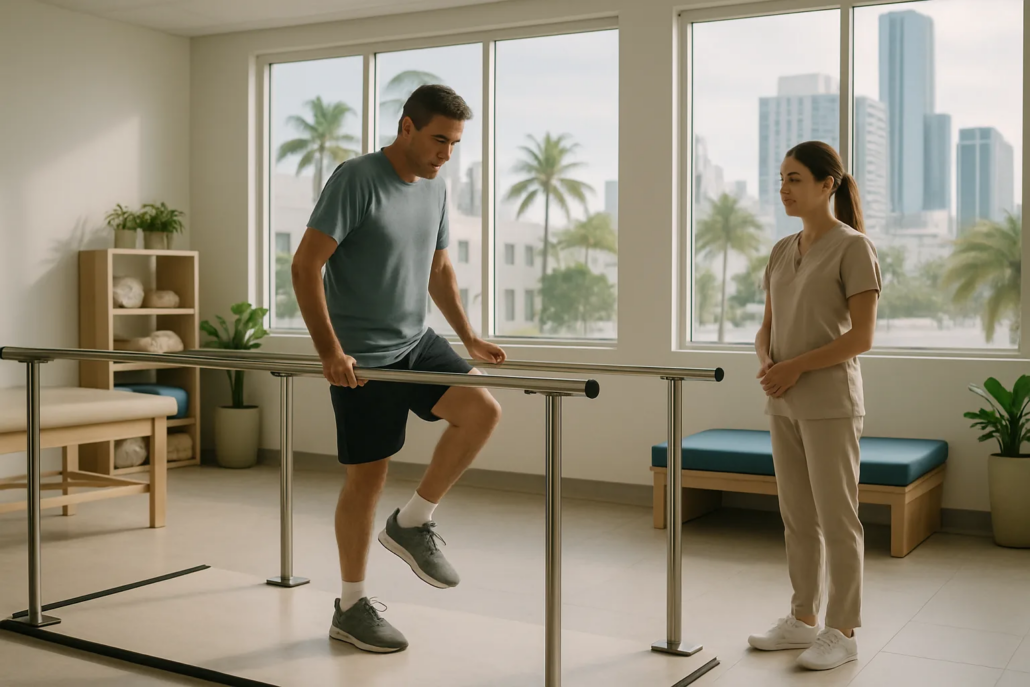
Could Physical Therapy Malpractice Worsen Miami Injuries?
A collision victim may expect physical therapy to support recovery, but what happens when pain, weakness, or loss of function appears during treatment? In Miami, a rehabilitation plan that ignores medical restrictions, advances exercises too quickly, or fails to respond to new symptoms may aggravate an existing injury or delay appropriate care. This is the concern behind physical therapy malpractice after a car accident in Miami.
An adverse result does not automatically mean malpractice. Some crash injuries evolve, and recovery can involve setbacks even when care is appropriate. Joseph Madalon helps readers understand the difference between an expected complication and a potentially negligent rehabilitation event. You can also review when Miami injury attorneys can evaluate a rehabilitation-related claim when therapy records, crash evidence, and later medical findings need to be assessed together.
This article explains warning signs involving restrictions, exercise progression, supervision, and neurological or orthopedic changes. It also discusses documentation, causation, and how Florida legal analysis may apply.
How Physical Therapy Malpractice After a Miami Crash Can Cause Harm
Rehabilitation is meant to follow a patient’s diagnosis, symptoms, imaging, surgical instructions, and functional limits. A plan may become concerning when it is not adjusted to those facts or when the provider continues treatment despite meaningful changes in the patient’s condition.
Ignored restrictions and unsafe progression
Crash victims may have restrictions involving spinal movement, weight-bearing, lifting, bracing, range of motion, or transfers. These limitations can come from an emergency department, orthopedist, surgeon, or other treating professional. A therapist who does not review or follow relevant restrictions may expose the patient to movements that are not appropriate for the current stage of recovery.
Progression can also be unsafe when resistance, stretching, balance work, or walking exercises are advanced without adequate reassessment. The issue is not simply whether an exercise caused discomfort. The more important questions may include whether the activity was consistent with the treatment plan, whether the response was monitored, and whether the provider had reason to stop or modify it. Understanding how unsafe movement can worsen spinal or neurological trauma may help explain why positioning and transfers matter after a collision.
Inadequate supervision
Some patients need close observation because of balance problems, medication effects, neurological symptoms, or limited strength. A failure to provide appropriate assistance or to recognize a dangerous response may create additional harm. The available records, the provider’s training and role, and the patient’s known risks may all be relevant to evaluating what occurred in Miami, FL.
What Symptoms and Records May Reveal About Negligent Rehabilitation
New or worsening symptoms during rehabilitation deserve attention, particularly when they differ from the patient’s earlier condition. Potentially concerning changes may include:
- New or increasing numbness, tingling, burning pain, or weakness
- Loss of coordination, balance, grip, or range of motion
- Swelling, instability, or a sharp increase in joint or spinal pain
- A change in bladder or bowel function or other urgent neurological signs
- Reduced ability to walk, transfer, work, or perform ordinary activities
These signs do not establish malpractice by themselves, and this article does not diagnose any condition. They may, however, warrant prompt communication with an appropriate medical professional. Readers can review records that may distinguish a new nerve injury from malpractice for context about comparing pre-therapy findings with later examinations.
Failure to respond to new symptoms
A rehabilitation provider may need to pause or modify a plan when a patient reports a significant change. Depending on the circumstances, appropriate communication may involve the ordering provider, a physician, an emergency department, or another qualified professional. Continuing the same exercises automatically, minimizing a material change, or failing to communicate it may allow a potentially serious problem to continue.
Follow-up matters because a delayed assessment can make it harder to determine whether the injury began with the crash, changed during therapy, or developed from another cause. Documentation about follow-up gaps after a Miami collision may help readers understand why referrals, reassessments, and discharge planning can be important.
Building a clear timeline
A patient may wish to preserve, where available, therapy evaluations, daily treatment notes, exercise instructions, referral records, imaging reports, appointment dates, and communications with providers. Portal messages and electronic records that preserve treatment concerns can help establish what symptoms were reported, when they were reported, and how providers responded. A simple personal log of dates, activities, symptoms, and later medical visits may also support how to document changing accident symptoms.
When Can a Miami Therapy Setback Become a Legal Claim?
A poor outcome alone generally does not prove rehabilitation malpractice. A legal evaluation may consider whether the provider owed a professional duty, departed from the applicable standard of care, caused an injury or measurable worsening, and contributed to damages. Medical experts may be needed to assess what a reasonably careful provider would have done and whether the therapy-related event caused the later condition.
The analysis can be complicated when a crash already caused a serious injury. It may require separating:
- The original collision injuries and symptoms.
- The patient’s condition immediately before rehabilitation.
- The treatment, restrictions, and supervision provided.
- The timing and nature of any worsening.
- Later diagnoses, treatment, limitations, and expenses.
In Florida, potential claims may involve a therapist, facility, physician, or another professional, depending on the facts and relationships involved. Deadlines and pre-suit requirements can also apply to medical negligence matters, and the rules may differ from those governing an ordinary automobile injury claim. Because Florida law can change and facts vary, a licensed attorney can evaluate the applicable requirements rather than relying on a general online explanation.
A person may also have separate issues involving the original driver, insurance coverage, or other responsible parties. A coordinated review can help avoid treating the therapy event as though it were the only source of harm. More information about when negligent medical treatment may support a malpractice claim explains why professional negligence, causation, and damages must be analyzed together.
Frequently Asked Questions
Does pain during physical therapy prove malpractice after a Miami crash?
No. Exercise-related soreness or temporary discomfort can occur during rehabilitation, and pain alone does not establish negligence. Greater concern may arise when symptoms are new, severe, persistent, or inconsistent with known restrictions, especially if the provider does not reassess or communicate with the treating team. A qualified medical professional must evaluate the symptom, while an attorney may later review whether the treatment and response met applicable professional standards.
What if therapy worsened an injury that the crash already caused?
A preexisting crash injury does not automatically prevent a claim. The central issue may be whether rehabilitation aggravated the condition, caused a distinct injury, or delayed necessary treatment. Medical records before and after therapy, treatment notes, imaging, symptom timing, and expert opinions may help separate the original harm from later worsening. The facts must be evaluated individually under Florida law.
Can a rehabilitation facility be responsible for a therapist’s conduct?
Potential responsibility depends on the provider’s role, employment or contractual relationship, supervision, policies, and the facts of the event. A facility may not be responsible in every case, and identifying a potentially responsible party requires reviewing records and applicable Florida legal principles. A consultation can help determine which people or entities may need to be considered without assuming liability in advance.
How long might a Miami physical therapy injury claim take?
There is no universal timeline. Duration may depend on medical recovery, record collection, expert review, the number of potentially responsible parties, insurance issues, and whether the matter resolves or proceeds in litigation. Florida deadlines may apply, and they can vary by claim type. Prompt legal review may help identify time-sensitive issues, but no attorney can responsibly promise a specific duration or outcome.
How Joseph Madalon Can Help
Joseph Madalon is dedicated to helping Miami crash victims understand how rehabilitation records, medical findings, and accident evidence fit together. The firm is committed to fighting for clients’ rights while recognizing that an adverse recovery outcome is not automatically malpractice. A review may consider therapy notes, restrictions, symptom changes, provider communications, later diagnoses, and possible claims related to both the collision and rehabilitation.
If you experienced new or worsening symptoms during physical or occupational therapy, contact Madalonlaw.com for a free consultation or case evaluation. The firm is ready to evaluate your situation and help you explore your legal options under Florida law.
The information in this article is for educational purposes only and does not constitute legal advice. Contact a qualified attorney licensed in Miami, FL for advice specific to your situation.






Leave a Reply
Want to join the discussion?Feel free to contribute!