Evidence Families May Seek in Fort Lauderdale Death Claims
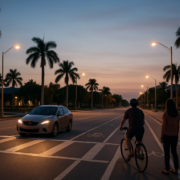
A fatal collision involving a person outside a vehicle can leave a family facing grief, unanswered questions, and difficult practical decisions. If you are researching a pedestrian wrongful death claim in Fort Lauderdale, the central question is often not simply what happened, but what evidence can show how and why the collision occurred.
Joseph Madalon can help families understand the issues that may arise after a fatal pedestrian or bicycle crash. Depending on the facts, a case may involve driver negligence, a vehicle owner’s responsibility, roadway design or maintenance, or insurance coverage beyond the driver’s policy. This article explains potential claims, right-of-way disputes, evidence families may seek, and local considerations in Fort Lauderdale, Miami, and Broward County.
What a Pedestrian Wrongful Death Claim in Fort Lauderdale May Include
A pedestrian or cyclist’s death may support a wrongful-death claim when another party’s negligence contributed to the fatal collision. In Florida, these claims are generally brought through the estate’s personal representative for the benefit of eligible survivors. Potential damages can depend on the survivors’ relationship to the deceased, financial dependency, lost support, services, and other legally recognized losses.
Families may wish to review Florida wrongful death claim requirements to understand the broader framework. A fatal crash may involve more than one potentially responsible party, and the identity of the proper parties can affect how a claim proceeds.
Driver conduct and right-of-way questions
Investigators may examine speed, turning movements, traffic signals, visibility, lane position, impairment allegations, distraction, and whether the driver yielded when required. A crosswalk or intersection does not automatically resolve every dispute. The facts may include signal timing, the pedestrian’s location, a cyclist’s position on the roadway, and what the driver could reasonably see. For additional context on this issue, see What Every Driver and Pedestrian in the State of Florida Needs to Know: Pedestrian Injuries and Car Accidents in the State of Florida.
Other possible sources of responsibility
Depending on the evidence, a vehicle owner, employer, contractor, property owner, or public entity may become relevant. For example, a roadway’s design, lighting, signage, vegetation, construction setup, or maintenance history may have contributed to limited visibility or an unsafe crossing. These issues can arise in Fort Lauderdale, elsewhere in Broward County, or in Miami, but the legal analysis depends on the specific location and facts.
Evidence Families May Seek After a Fatal Pedestrian or Bicycle Crash
Evidence can change or disappear quickly. Families should generally preserve information already in their possession and consider speaking with a qualified attorney about lawful methods for obtaining additional records. Relevant evidence may include:
- Intersection, traffic, nearby business, residential, or transit-camera footage;
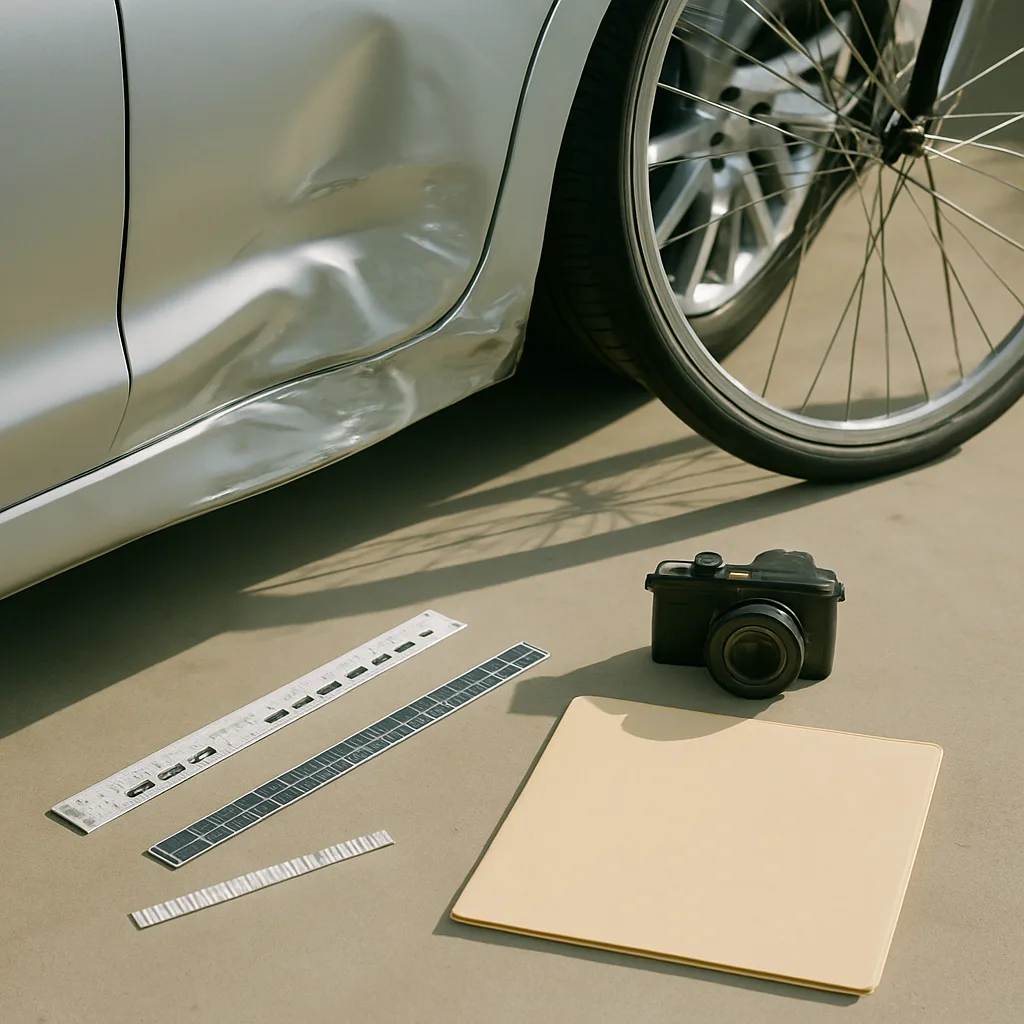
- Photographs and measurements showing vehicle damage, debris, lighting, sight distance, and road conditions;
- Witness names and accounts, including what each person saw, heard, or observed before impact;
- Vehicle data, inspection records, onboard systems, and maintenance information, when available;
- Phone records or other electronic evidence when distraction is a factual issue; and
- Public records concerning roadway design, lighting, traffic controls, construction, complaints, inspections, and maintenance.
Intersection video may be overwritten on a routine schedule. Vehicle damage can also provide information about the point and angle of impact, although interpretation normally requires qualified analysis. Phone records may be subject to privacy rules and legal procedures, so families should not assume that informal access is available.
More detail about evidence in a Florida distracted-driving wrongful death case may help explain why video, witness accounts, phone records, and vehicle data should be considered together rather than in isolation.
Roadway Conditions, Insurance, and the Claims Process
A thorough investigation should consider the environment around the crash, not only the driver’s account. Lighting may vary by time, weather, street layout, nearby structures, and whether fixtures were operating. Investigators may also examine crosswalk markings, signal placement, sight obstructions, lane widths, bike-lane design, curb ramps, construction barriers, and maintenance records.
When a public entity or third party may be involved
If a government-controlled roadway or traffic device is part of the investigation, special legal rules may apply to claims against a public entity. A private contractor, property owner, or maintenance company may also have relevant records or responsibilities. These claims can involve different notice requirements, defenses, and deadlines than a claim against a private driver. In Florida, the responsible entity and applicable rules must be identified carefully; laws and procedures can vary by location and may change.
Families may find it useful to review information about Florida wrongful death claims involving dangerous roads when roadway design or maintenance is part of the concern.
Insurance sources beyond the driver’s policy
The driver’s liability insurance is only one possible source of coverage. Depending on the policy language and household circumstances, uninsured or underinsured motorist coverage may be relevant when the driver has no insurance or insufficient limits. Families should preserve insurance documents and avoid assuming that a policy cannot apply merely because the deceased was walking or cycling. A discussion of Fort Lauderdale uninsured motorist coverage after wrongful death provides additional context.
Common Issues That Can Affect a Fatal Pedestrian Collision Case
Families often encounter several challenges while trying to understand what happened. A driver’s initial statement may not account for lighting, sight distance, signal timing, or the movements of everyone involved. Similarly, a witness may remember only part of a fast-moving event. Evidence should be evaluated as a whole.
Common issues include:
- Assuming fault is obvious. Right-of-way disputes may require scene measurements, video review, traffic-signal information, and qualified reconstruction analysis.
- Waiting to preserve recordings. Businesses, residences, and transportation systems may not retain footage indefinitely.
- Overlooking the cyclist’s or pedestrian’s perspective. Clothing visibility, lighting, road design, bicycle equipment, and the person’s location may all be relevant without deciding the case by themselves.
- Contacting multiple insurers without understanding the process. Statements and recorded interviews can affect how a claim is evaluated.
- Ignoring non-driver causes. A dangerous crossing, defective signal, obstructed sightline, or construction condition may require a separate investigation.
In Fort Lauderdale, Miami, and throughout Broward County, the appropriate investigation may involve law-enforcement records, emergency communications, transportation agencies, nearby businesses, insurers, and engineers. Depending on the circumstances, an attorney may help coordinate evidence preservation and identify which claims and parties warrant further evaluation.
Frequently Asked Questions
Who may bring a wrongful death claim after a pedestrian or cyclist dies in Florida?
Generally, the estate’s personal representative brings a Florida wrongful-death action for the benefit of eligible survivors. The survivors who may recover and the losses that may be considered depend on their relationship to the deceased and other facts. Because eligibility and damages can be highly specific, families in Fort Lauderdale or Miami may benefit from discussing the circumstances with a Florida-licensed attorney.
Does a driver always have liability if a person is killed in a crosswalk?
Not automatically. A marked crosswalk, traffic signal, driver movement, visibility, speed, and the actions of the pedestrian or cyclist may all matter. A Florida crosswalk wrongful death claim requires a fact-specific review of negligence and causation. Available video, witness accounts, scene conditions, and vehicle evidence may help clarify what occurred, but no single fact necessarily resolves liability.
Can phone records be used after a fatal crash?
Potentially, but access and use may depend on privacy rules, consent, preservation, and formal legal procedures. Phone records may help address whether a driver was calling, texting, or using an application, but they are only one part of an investigation. Counsel may also examine video, witness accounts, vehicle data, and other evidence before drawing conclusions about distraction.
What if the driver has little or no insurance?
A claim may still involve other insurance sources or potentially responsible parties, depending on the facts. Uninsured or underinsured motorist coverage may be relevant under an applicable policy, even though the deceased was not occupying a vehicle. Coverage language, policy notices, household relationships, and exclusions can matter, so families should have the available policies reviewed rather than assuming no insurance option exists.
How Joseph Madalon Can Help
Joseph Madalon is dedicated to helping families examine the legal and factual issues that may follow a fatal pedestrian or bicycle collision. The firm can evaluate questions involving driver visibility, right-of-way, intersection video, vehicle damage, witness accounts, phone records, lighting, roadway maintenance, public entities, and insurance coverage.
A careful review may help identify evidence that should be preserved and clarify which claims may warrant further investigation. Madalon Law is committed to fighting for the rights of surviving family members while treating the process with care and respect. Contact the firm for a free consultation or case evaluation regarding a fatal collision in Fort Lauderdale, Miami, or Broward County.
The information in this article is for educational purposes only and does not constitute legal advice. Contact a qualified attorney licensed in Fort Lauderdale, FL; Miami, FL; Broward County for advice specific to your situation.