
Uninsured Motorist Coverage: Fort Lauderdale Wrongful Death
After a fatal collision, a family may learn that the driver who appears responsible had no liability insurance—or had limits that cannot cover the losses involved. In that situation, can uninsured motorist coverage pay after a fatal Florida car accident? Sometimes, depending on the policies available, the wording of those policies, the facts of the crash, and Florida law. For an overview of the coverage issues, see Florida uninsured and underinsured motorist coverage.
The answer is rarely found in one insurance card. Families may need to examine the deceased person’s policy, household policies, vehicle policies, declarations pages, notices, and communications from one or more insurers. Joseph Madalon helps Fort Lauderdale families understand how these materials may fit into a broader claim. This article explains when UM or UIM coverage may apply, how stacking and settlement issues can affect the analysis, what evidence to preserve, and how coverage may relate to a Florida wrongful-death case.
Can Uninsured Motorist Coverage Pay After a Fatal Florida Car Accident?
Uninsured motorist (UM) coverage is generally designed to protect insured people when a legally responsible driver has no liability insurance. Underinsured motorist (UIM) coverage may apply when the responsible driver has insurance, but the available liability limits are inadequate compared with the damages. In a fatal crash, the surviving family’s potential claim may involve both the deceased person’s losses and losses suffered by eligible survivors, subject to Florida’s wrongful-death laws and the applicable policy.
Policies worth locating
Depending on the circumstances, potentially relevant coverage may include:
- A policy covering the vehicle involved in the crash.
- An auto policy issued to the deceased person.
- A policy covering a resident relative’s vehicle or household.
- Coverage connected with another vehicle owned or insured by the household.
- Policies that contain UM/UIM benefits even when the insured vehicle was not the vehicle occupied at the time.
Coverage is not automatic. Definitions of “insured,” exclusions, notice provisions, selection or rejection forms, and limits can change the analysis. In Fort Lauderdale, FL; Florida, families may also need the crash report and related records from the appropriate law-enforcement agency to establish how the collision occurred and whether the other driver was uninsured or underinsured.
Reviewing Florida UM/UIM Policies, Declarations Pages, and Notices
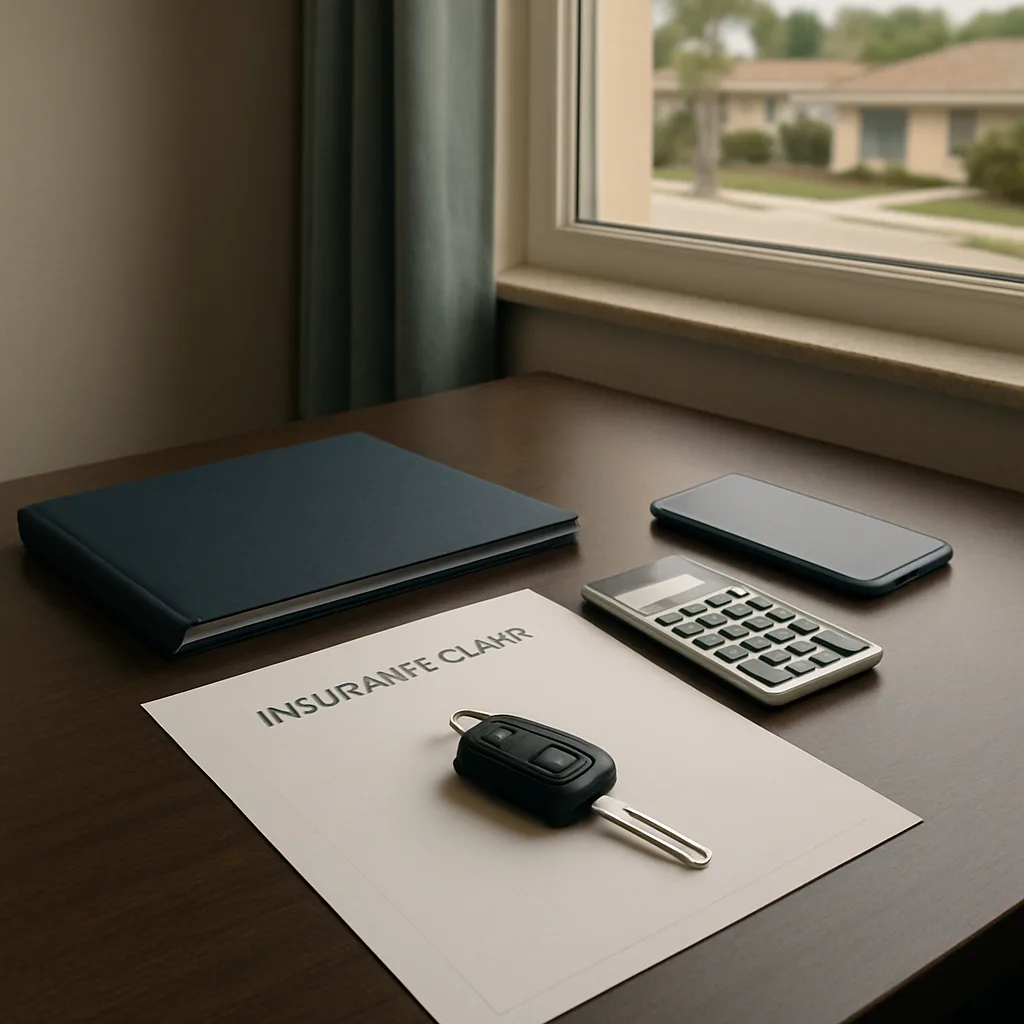
A declarations page may show the vehicles, named insureds, coverage limits, and premiums, but it is not always the complete contract. The full policy, endorsements, renewal documents, and forms showing whether UM coverage was selected, rejected, or limited may be important. A lawyer reviewing a Fort Lauderdale wrongful death insurance claim may compare these documents with the facts of the household and the collision.
What insurer communications may reveal
Preserve every letter, email, claim reference, and message from an insurer. Pay particular attention to:
- Claim acknowledgments and requests for information.
- Reservation-of-rights letters or statements that coverage is still under review.
- Requests for a recorded statement, medical authorization, or other documentation.
- Notices stating that the other driver is uninsured or underinsured.
- Coverage-denial letters and explanations of policy exclusions.
- Requests for consent before resolving a claim against the at-fault driver.
A denial does not necessarily end the inquiry, but the policy language and facts matter. For example, disputes may arise when the responsible vehicle is unidentified or when the insurer challenges whether the facts satisfy Florida’s requirements for a UM claim. Families can review a phantom-motorist UM coverage denial to understand why notice and evidence can become important in a disputed claim.
Stacking requires careful policy review
“Stacking” generally refers to combining UM limits from more than one vehicle or policy when the contract and applicable law permit it. Whether benefits can be stacked may depend on the policies, the insured’s choices, the number of covered vehicles, household relationships, and other facts. A policy may contain anti-stacking language, but its effect should not be assumed without reviewing the entire contract and Florida law in effect when the policy was issued or renewed.
Building the Claim and Evaluating a Settlement Offer
UM/UIM benefits are only one potential source of compensation. A fatal Florida car accident may also support a wrongful-death claim involving the responsible driver, another potentially liable party, or available liability insurance. The personal representative generally brings the wrongful-death action on behalf of the estate and eligible survivors under Florida law. The relationship between that case and an insurance claim should be evaluated as a whole; families can review a Florida wrongful death claim for broader information about claim structure and eligibility.
Evidence to gather
Before discussing the value of a settlement, families may want to preserve documents such as:
- The death certificate and funeral or burial invoices.
- Crash reports, photographs, video, witness information, and vehicle records.
- Medical records and bills related to the final treatment.
- Employment, income, benefit, and retirement information.
- Evidence of financial support, household services, and survivor relationships.
- Every insurance policy, declarations page, endorsement, notice, and communication.
These materials can help identify available coverage and support damages. See documenting Florida wrongful death compensation claims for a more detailed documentation guide.
Do not assess an offer by limits alone
An insurer’s offer should not be judged only by comparing it with the stated policy limit. Other considerations may include liability evidence, the number of potentially applicable policies, stacking provisions, damages, liens, releases, and whether the proposed agreement resolves all relevant claims. In some situations, an insurer may need notice or an opportunity to participate before a claim against the at-fault driver is resolved. Depending on the circumstances, an attorney may evaluate factors that affect a Florida car accident settlement before a family decides how to proceed.
Frequently Asked Questions
Does UM coverage apply if the at-fault driver had some insurance?
It may, if the driver’s liability limits are insufficient and the applicable policy includes underinsured motorist coverage. The analysis can depend on the amount of available liability insurance, the UM/UIM limits, policy definitions, damages, and settlement procedures. Families should review the full policy rather than relying only on an insurance card or an informal statement from an adjuster.
Can a family member make the UM claim after the insured person dies?
Potential claimants and the proper process depend on the policy, the deceased person’s relationship to the insured household, and Florida wrongful-death rules. The personal representative may have a role in the broader wrongful-death case, while eligible survivors may have interests in certain damages. An attorney can examine the policy and family relationships to identify the appropriate claim structure.
What if the insurer asks for a recorded statement?
A recorded statement may become part of the claim file, and the questions may affect how the insurer interprets coverage or the crash. The appropriate response depends on the policy and circumstances. Generally, families should preserve the request and avoid guessing about facts they do not know. A licensed attorney can explain the potential implications before communications continue.
Is there a deadline for a Florida UM or wrongful-death claim?
Deadlines can apply, but the correct period may differ based on the claim, the policy, the defendant, and the facts. Florida limitation rules and insurance-contract provisions may also change over time. Because missing a deadline can affect legal rights, families in Fort Lauderdale, Florida may wish to obtain prompt advice based on the specific crash and policies involved.
How Joseph Madalon Can Help
Joseph Madalon is dedicated to helping families examine the insurance and legal issues that follow a fatal motor-vehicle collision. The firm can review policies, declarations pages, endorsements, insurer communications, crash evidence, and documentation of losses to help identify questions about UM/UIM coverage and a potential wrongful-death claim. Joseph Madalon is committed to fighting for clients’ rights while explaining the process and evaluating settlement proposals in light of the available evidence and applicable law. Contact the firm for a free consultation or case evaluation regarding a fatal crash in Fort Lauderdale, FL; Florida.
The information in this article is for educational purposes only and does not constitute legal advice. Contact a qualified attorney licensed in Fort Lauderdale, FL; Florida for advice specific to your situation.