Can Employers Face Liability for Fatal Crashes in Florida?
A fatal car crash can leave a family asking more than who was driving. Was the driver making a delivery, traveling between job sites, using a company vehicle, or following a dispatcher’s instructions? Those facts may affect whether a business shares legal responsibility. If you are researching employer liability for a fatal car accident in Florida, how a Florida wrongful death claim works can provide useful background before you examine the employer’s role.
In Fort Lauderdale, Florida, the available evidence may be spread among law-enforcement records, company systems, insurance policies, and the driver’s employment records. Joseph Madalon helps families understand the issues that can arise after a fatal work-related collision without assuming that a claim against an employer is automatic. This article explains potential liability theories, the facts that may connect a crash to business activity, how damages and insurance are evaluated, and common evidence-preservation concerns.
When Can a Florida Employer Face Liability for a Fatal Car Crash?
Florida generally recognizes a form of vicarious liability when an employee causes harm while acting within the scope of employment. In practical terms, a business may be responsible for an employee’s conduct when the employee was performing assigned work or engaging in activity closely connected to the employer’s business. The analysis is fact-specific; simply having an employment relationship does not automatically make a company liable for every crash caused by an employee.
Driving That May Be Within the Scope of Employment
Facts that may support a work-related connection include an employee who was:
- Making deliveries, pickups, or service calls;
- Traveling between job sites or customer locations;
- Transporting tools, products, equipment, or coworkers for the business;
- Following a route, schedule, or instruction from a supervisor; or
- Driving a vehicle owned, leased, or maintained by the company.
A commute from home to a regular workplace is often analyzed differently from travel performed as part of the job. Personal detours, unauthorized use, and independent-contractor relationships can also change the analysis. An attorney evaluating a Fort Lauderdale, FL; Florida wrongful-death matter may examine the entire trip rather than relying on a single label such as “employee” or “company driver.”
Other Potential Employer-Liability Theories
Separate questions may arise about negligent hiring, retention, supervision, training, entrustment, or vehicle maintenance. These theories require evidence of the business’s conduct and how it relates to the collision. They should not be assumed merely because a worker was involved in a fatal crash.
What Evidence Can Connect the Fatal Crash to the Business?
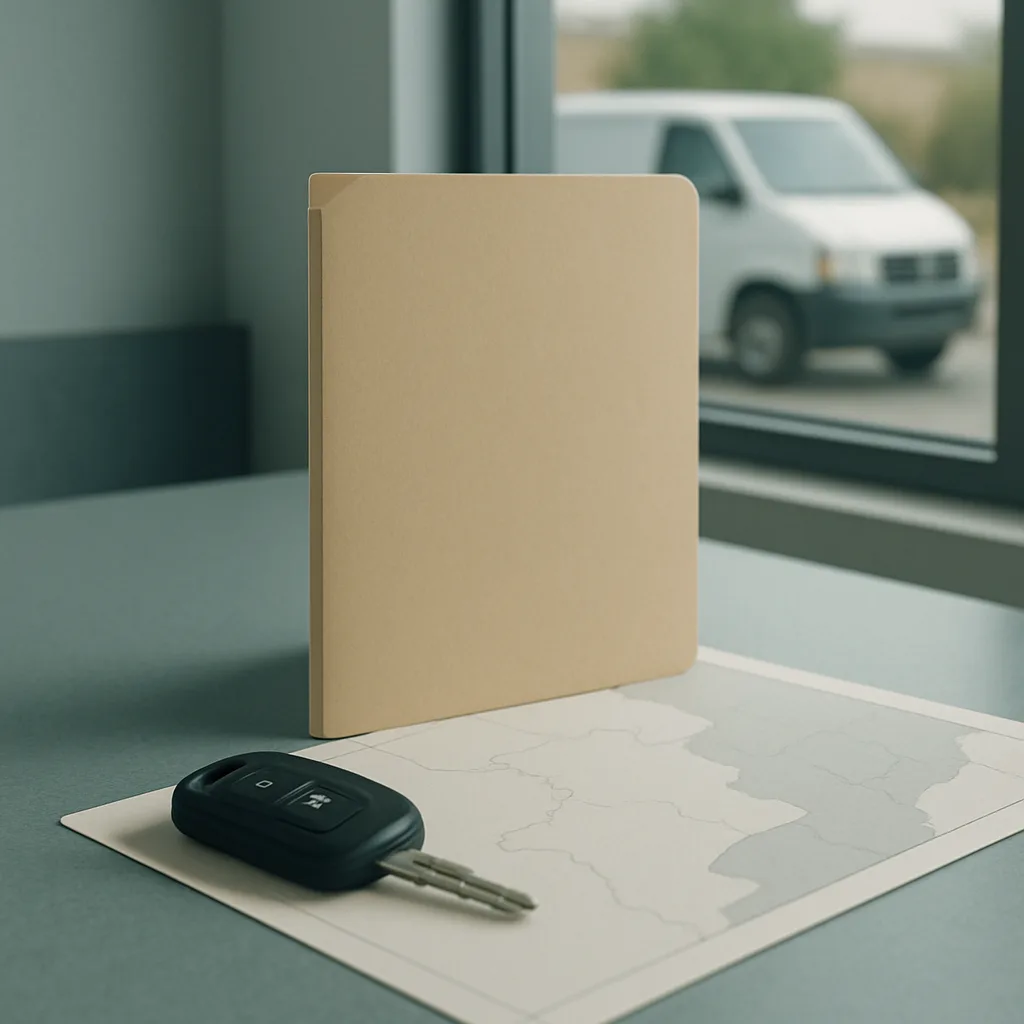
Families may initially know only that the other driver appeared to be working. Preserving small details can help clarify the relationship between the driver, vehicle, and business. Photographs, witness accounts, and publicly available information may be useful, but records held by the employer or an insurer may require formal investigation or legal process.
Potential evidence may include:
- A uniform, badge, company logo, branded equipment, or delivery materials;
- The vehicle’s ownership, lease, registration, maintenance, and insurance information;
- Dispatch records, route data, delivery schedules, time sheets, GPS information, or electronic logs;
- Employment details, job title, work assignment, and supervisor communications;
- Statements from witnesses, customers, coworkers, or first responders; and
- Crash reports, photographs, video footage, vehicle data, and available surveillance recordings.
In Broward County, law-enforcement agencies and other record holders may maintain important crash materials. The Florida Highway Patrol or a local investigating agency may have reports, diagrams, photographs, or witness information, depending on where the collision occurred. Access and timing can vary, and some evidence may be retained for only a limited period.
How Courts May Analyze Responsibility
A Florida court may consider whether the driver was acting for the employer, whether the vehicle was connected to the business, and whether the claimed negligent conduct caused the fatal injuries. A prior Florida wrongful-death car accident case may illustrate how responsibility is analyzed, but Florida wrongful death car accident case law is not a substitute for reviewing the facts of a particular collision.
The business may dispute that the driver was working, argue that the driver was an independent contractor, or contend that a personal deviation caused the crash. These issues can require employment records, witness testimony, expert analysis, and insurance investigation.
Damages, Insurance, and Common Mistakes After an Employee-Caused Fatal Crash
An employer-related theory usually fits within the larger Florida wrongful-death claim. The survivors and personal representative may have rights that depend on their relationship to the deceased person and the losses established by the evidence. Potential damages can include lost support or services, medical and funeral expenses, and other losses recognized under Florida law. The available categories and proof depend on the circumstances.
Families may find it helpful to organize:
- Wage, tax, benefit, and employment records showing earnings and expected support;
- Information about household services and financial dependence;
- Medical bills and records related to the final injury or treatment; and
- Funeral, burial, counseling, and other documented expenses.
More detail about documenting Florida wrongful death compensation claims may help families create an organized record of losses. Documentation does not determine liability by itself, but it can make the financial impact easier to evaluate.
Insurance should be examined separately from employer liability. A commercial policy, the driver’s personal policy, the deceased person’s policy, or household coverage may each raise different questions. Depending on the policy language and facts, Florida uninsured and underinsured motorist coverage may be relevant if available liability insurance does not fully address the losses. Coverage is not automatic, and policy terms, exclusions, notices, and other conditions matter.
Common mistakes can include discarding damaged property, posting assumptions about fault online, accepting an insurer’s interpretation before the evidence is complete, or waiting to identify witnesses and video. Florida deadlines can limit a wrongful-death claim, and different rules may apply in cases involving governmental entities or other special circumstances. Because deadlines and procedures may change, prompt legal review can help a family understand what issues require attention.
Frequently Asked Questions
Is an employer automatically responsible when an employee causes a fatal crash in Florida?
No. Employment alone does not automatically establish business liability. The key questions may include whether the employee was acting within the scope of assigned work, whether the vehicle belonged to or was controlled by the business, and whether separate negligence by the company contributed to the collision. A fact-specific review may also consider personal detours, independent-contractor status, and the driver’s purpose at the time of impact.
What if the driver used a personal vehicle for work?
A personal vehicle does not necessarily end the inquiry. The nature of the trip, the employer’s instructions, reimbursement practices, route, schedule, and insurance arrangements may all matter. The employer may dispute responsibility, and coverage may involve more than one policy. Families generally benefit from preserving communications, work-related messages, photographs, and witness information that may show why the driver was traveling and whose business purpose was involved.
Who may bring a wrongful-death claim after a work-related collision?
Florida wrongful-death claims are generally brought through the estate’s personal representative for the benefit of eligible survivors. Eligibility and recoverable losses may depend on family relationships, dependency, the estate, and other facts. The person who contacts an attorney is not necessarily the only person with legal interests in the claim. A licensed Florida attorney can explain how the statutory framework may apply to a particular family.
Does a company vehicle prove that the employer is liable?
Not by itself. Company ownership or control of a vehicle may be important evidence, but liability can still depend on the driver’s work assignment, authorization, conduct, and the cause of the collision. Maintenance, hiring, training, and supervision may raise separate issues. Investigators may need to compare vehicle records, dispatch information, employment documents, witness accounts, and crash evidence before responsibility can be assessed.
How Joseph Madalon Can Help
Joseph Madalon is dedicated to helping families evaluate complex wrongful-death and personal-injury claims arising from automobile collisions in Fort Lauderdale and throughout Florida. The firm can help examine the driver’s employment relationship, vehicle ownership, dispatch or route information, available insurance, crash evidence, and documentation of the family’s losses. Each claim depends on its facts, and an investigation may reveal questions that are not apparent immediately after a collision.
Madalon is committed to fighting for the rights of families while explaining the potential claims and limitations in clear terms. Contact Joseph Madalon for a free consultation or case evaluation to discuss what happened and explore your legal options.
The information in this article is for educational purposes only and does not constitute legal advice. Contact a qualified attorney licensed in Fort Lauderdale, FL; Florida for advice specific to your situation.