
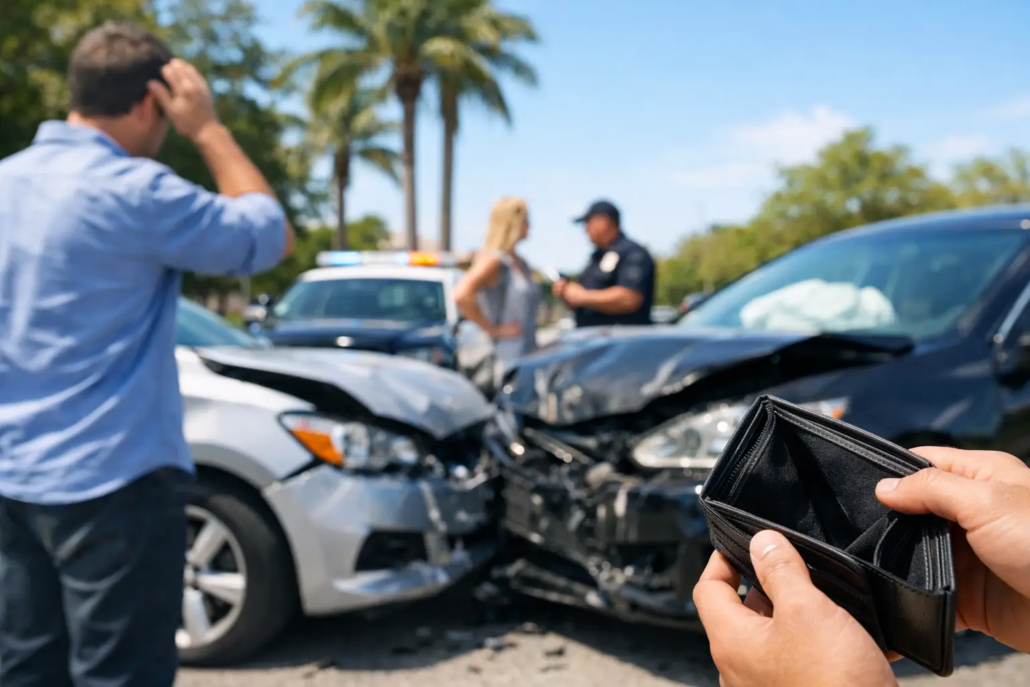
What Happens if the Other Driver Was Uninsured in Florida?
The crash is over, your heart is still racing, and then you hear the words no injured driver wants to hear: the other motorist has no insurance. If you are asking what happens if the other driver was uninsured in Florida, the short answer is this – your case is not over, but the path to compensation gets more complicated fast.
Florida drivers are already dealing with a confusing system after a wreck. Between medical treatment, missed work, property damage, and insurance calls, it can feel like the burden falls on the person who did nothing wrong. That is exactly why it matters to understand what coverage may apply, what compensation may still be available, and where insurance companies tend to push back.
What happens if the other driver was uninsured in Florida?
Florida is a no-fault state, which means your own Personal Injury Protection coverage, usually called PIP, generally pays first for your medical expenses and a portion of lost wages after a car accident, no matter who caused it. In many cases, that is the first place recovery starts, even when the other driver broke the law by driving uninsured.
PIP, however, has real limits. It typically covers 80 percent of necessary medical expenses and 60 percent of lost wages, up to the policy limit. For many injured people, that money is not enough. A hospital visit, imaging, follow-up care, physical therapy, and time away from work can burn through those benefits quickly.
That is where uninsured motorist coverage can become critical. If you carry uninsured motorist coverage, often called UM, your own policy may step into the shoes of the at-fault driver and provide compensation for damages that PIP does not fully cover. That can include pain and suffering if your injuries meet Florida’s serious injury threshold.
If you do not have UM coverage, things become harder, but not always hopeless. You may still have the right to pursue a claim directly against the uninsured driver. The problem is practical, not just legal. Many uninsured drivers also lack the assets needed to pay a judgment, which means winning a case on paper does not always mean collecting meaningful money.
Who pays your medical bills and lost income?
At the beginning, your own insurance usually does. That feels unfair to many accident victims, and understandably so. But Florida law is built around the idea that your PIP coverage responds first, regardless of fault.
If your injuries are serious, there may be additional paths. UM coverage can help with medical costs beyond PIP, future treatment, lost earning capacity, and the human damage that PIP ignores, like physical pain, emotional distress, and the loss of normal life. Health insurance may also cover some treatment, though deductibles, copays, and reimbursement issues often follow.
It depends on the facts of the crash and the insurance available. A relatively minor injury case may stay within PIP and health insurance. A more serious case involving surgery, permanent injury, or long-term disability may require a much deeper review of every available policy and every potentially responsible party.
What about the damage to your car?
Property damage is a separate issue from bodily injury. Florida requires drivers to carry property damage liability coverage, but not everyone follows the law. If the other driver has no insurance, you may need to turn to your own collision coverage, if you have it, to repair or replace your vehicle.
Without collision coverage, you may be left trying to recover directly from the uninsured driver. Again, that is often easier said than done. If the driver has few assets, collecting for vehicle damage can become an uphill fight.
This is one of the most frustrating parts of an uninsured driver case. Even when liability is clear, the financial reality may leave the injured person scrambling for transportation while trying to heal. That is why it is so important to act quickly, document the damage, and preserve every piece of evidence from the crash.
When can you sue an uninsured driver in Florida?
You may be able to sue when your injuries go beyond what Florida treats as basic no-fault losses. In general, that means you suffered significant and permanent loss of an important bodily function, permanent injury, significant and permanent scarring or disfigurement, or death. When that threshold is met, a liability claim for broader damages becomes possible.
But suing is not always the best first move. A lawsuit takes time. It costs energy. And if the defendant has no meaningful assets, the recovery may be limited even after a strong result. A careful legal review can help determine whether the uninsured driver has income, property, or other collectible resources, and whether someone else may also share legal responsibility.
For example, if the uninsured driver was working at the time of the crash, an employer may become relevant in some situations. If a defective vehicle part or dangerous road condition contributed to the collision, other claims may also exist. These are not automatic claims, but they are exactly the kinds of details that can change the value and direction of a case.
What if you have uninsured motorist coverage?
If you carry UM coverage, you may have one of the strongest protections available after an uninsured driver crash. This coverage is designed for moments exactly like this. It can provide compensation that the at-fault driver cannot.
That said, your own insurance company is still an insurance company. Just because it is your carrier does not mean it will automatically treat your claim fairly. Adjusters may question your injuries, dispute your treatment, delay the process, or argue that your case is worth less than it is.
That catches many people off guard. They think they are making a claim under their own policy, so the process should be simple. In reality, UM claims can become highly contested, especially when injuries are serious and the damages are substantial.
What to do right after learning the other driver is uninsured
First, keep getting the medical care you need. Your health comes before the paperwork, and gaps in treatment can also make insurance disputes worse. Follow your doctor’s recommendations and save every record, bill, prescription, and discharge note.
Next, report the crash to your insurer if you have not already. Be truthful, but be careful. Early statements can shape how an insurer evaluates the claim, and rushed descriptions often leave out important details.
It also helps to gather and preserve as much evidence as possible, including photos, witness information, the crash report, and proof of lost income. If you are trying to understand your options after an uninsured driver wreck in Florida, a local resource like https://accident.usattorneys.com/florida/ may help you start organizing the next steps.
Most importantly, do not assume there is no case just because the other driver had no insurance. That assumption can cost you real compensation. In some situations, there may be UM coverage, multiple policies, or additional defendants that are not obvious at first glance.
Why these cases need close attention
Uninsured driver crashes often look simple at first and become complicated fast. The core problem is not only proving fault. It is finding real sources of recovery while protecting the injured person from insurance tactics, legal delays, and financial pressure.
That is especially true when the injuries are serious. A back injury that seemed manageable in the first week may turn into months of treatment. A concussion may affect work and concentration longer than expected. A fractured bone may require surgery and leave lasting limitations. The full cost of a crash rarely shows up on day one.
This is where experienced legal help matters. A firm like Madalon Injury Law approaches these cases with both compassion and force because injured people should not be left carrying the consequences of someone else’s reckless choice. It is not just about filing a claim. It is about fighting for every available dollar while protecting your peace of mind.
If the other driver was uninsured in Florida, you are not powerless, even if it feels that way in the first few days. The right next step is to get clear on what coverage exists, what evidence supports your injuries, and what path gives you the best chance to recover while you focus on healing.