
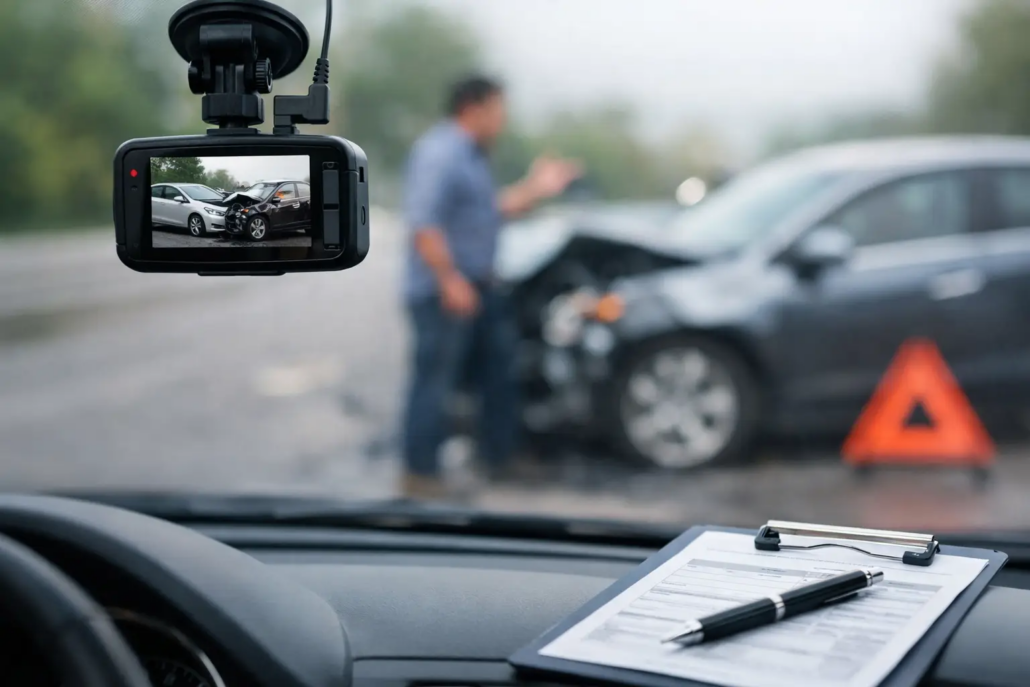
Do Dashcams Help Accident Claims? What Matters
A crash can be over in seconds, but the argument over what happened can last for months. Do dashcams help accident claims? Often, yes. Clear video can cut through conflicting stories, show dangerous driving, and preserve details that witnesses or drivers may forget. But a dashcam is not a guaranteed win. What it captures, how quickly it is saved, and what the rest of the evidence shows can all affect your claim.
For someone injured in a Miami collision, dashcam footage may be the difference between an insurance company dismissing your account and taking the evidence seriously. It can help protect the truth when you are already dealing with pain, medical appointments, missed work, and pressure from an adjuster.
How dashcams help accident claims
A dashboard camera provides a time-stamped view of the road before, during, and sometimes after a collision. In the right case, it can document a driver running a red light, drifting across lanes, following too closely, speeding, failing to yield, or using a phone behind the wheel. It may also capture weather, traffic, road construction, brake lights, and the positions of the vehicles.
That context matters. After a crash, the other driver may insist that you caused it. A witness may only have seen the impact, not the moments leading up to it. A police report can be useful, but it may be based on accounts from people who were shaken, injured, or trying to protect themselves. Video can provide an objective record that is much harder to twist.
Footage can be especially powerful in disputed intersection crashes. If a driver claims you entered against the light, video showing your direction of travel, the traffic signal, and the other vehicle’s movement may help establish who failed to follow the rules of the road. In rear-end crashes, recordings may reveal an abrupt unsafe lane change, a sudden stop caused by another vehicle, or distracted driving that led to the impact.
Dashcams can also support the value of an injury claim. Video cannot show every injury, but it may demonstrate the force of the collision, the immediate confusion at the scene, or your physical condition afterward. When considered alongside medical records, photographs, witness statements, and expert opinions, it can strengthen the overall picture of what this crash has cost you.
What dashcam footage cannot do by itself
Insurance companies do not simply see a video clip and issue a fair payment. They look for gaps, ambiguities, and anything they can use to reduce responsibility. If the footage begins only seconds before the crash, it may not show what led to the collision. If it has no audio, it may not capture a driver admitting fault. If the camera angle is narrow or the image is blurry, crucial details may remain unclear.
More importantly, footage can contain evidence the insurer may use against you. A recording could show that you were driving above the speed limit, looking away from the road, or making an unsafe maneuver. Florida’s comparative negligence rules can reduce compensation when an injured person is found partly at fault. That does not necessarily end a claim, but it can become a serious point of dispute.
A dashcam also does not replace medical proof. Even a dramatic impact does not automatically establish the full extent of your injuries, your need for treatment, or the income you lost while recovering. Those losses still need to be documented carefully. The strongest claims are built from the full record, not one piece of evidence viewed in isolation.
Save the video before it disappears
Many dashcams record on a loop. Once the memory card fills up, new recordings may automatically overwrite older footage. Some cameras lock a clip when they detect an impact, but that feature is not perfect. A collision may be too mild to trigger it, the camera may lose power, or the memory card may be full or damaged.
If you can do so safely, save the original footage as soon as possible. Do not edit it, add music, crop it, or post it on social media. Make copies, but keep the original file and memory card intact. Write down the date, approximate time, location, camera model, and any steps you took to preserve the recording.
If you are too hurt to handle this, ask a trusted family member to help. Your priority after a crash is getting medical care. Still, preserving evidence quickly can prevent a painful loss later. Nearby businesses, residences, rideshare vehicles, and traffic cameras may also have recordings, but those systems often overwrite their footage within days or weeks.
Protect the chain of custody
The other side may question whether video was altered or whether it truly came from your vehicle. Keeping the original file helps answer those attacks. Avoid repeatedly transferring the only copy through text messages or social platforms, which may compress the video or strip away details.
An attorney can help preserve and present digital evidence properly. That may include sending letters requesting that businesses or other parties keep relevant surveillance video before it is destroyed. When the facts are contested, early action can make a real difference.
Is it legal to use a dashcam in Florida?
Dashcams are generally lawful in Florida, but placement matters. A camera should not obstruct the driver’s clear view of the road. Mount it carefully and follow the device instructions. A recording that interferes with safe driving is not protecting anyone.
Audio raises a separate concern. Florida has strict rules involving the recording of private communications. A dashcam recording ordinary sounds inside or around a vehicle may not always create the same issue as secretly recording a private conversation, but the details matter. Be especially cautious about recordings involving passengers, phone calls, or conversations where someone reasonably expects privacy.
Do not assume that every clip should be shared publicly. Posting video online can invite unwanted attention, expose private information, and give an insurer material to scrutinize. Share it first with your lawyer and use it to protect your claim, not to win an argument on the internet.
What to do after a crash when you have footage
Call 911 when anyone is injured, move to safety if you can, and seek medical attention. Take photographs of vehicle damage, the road, traffic signals, injuries, and the surrounding area. Exchange information, but avoid apologizing or debating fault at the scene. Shock can make people say things they do not mean, and the full facts may not be clear yet.
Then preserve the dashcam video and make a note of what it shows. Do not rely on memory alone. If a witness saw the crash, get their contact information. Follow through with recommended medical care and keep records of appointments, bills, work restrictions, and the ways your injuries affect daily life.
When an insurer calls, remember that its goal is often to limit what it pays. You are not required to give a recorded statement before you understand your rights. A quick settlement offer may sound like relief when bills are arriving, but it may not account for future treatment, lost earning capacity, pain, or the lasting impact of a serious injury.
Let the evidence tell the full story
Dashcam footage can be a powerful witness that does not forget, panic, or change its story. Yet it works best when it is preserved immediately and supported by medical evidence, scene documentation, and a clear account of how the crash changed your life.
At Madalon Injury Law, we believe an injured person should not have to face an insurance company alone while trying to heal. If video exists, it deserves to be protected. If the insurer tries to minimize what happened, it deserves to be challenged. Your recovery is not just a claim file. It is your life, and the evidence should be used to fight for the accountability and compensation you deserve.







Leave a Reply
Want to join the discussion?Feel free to contribute!