
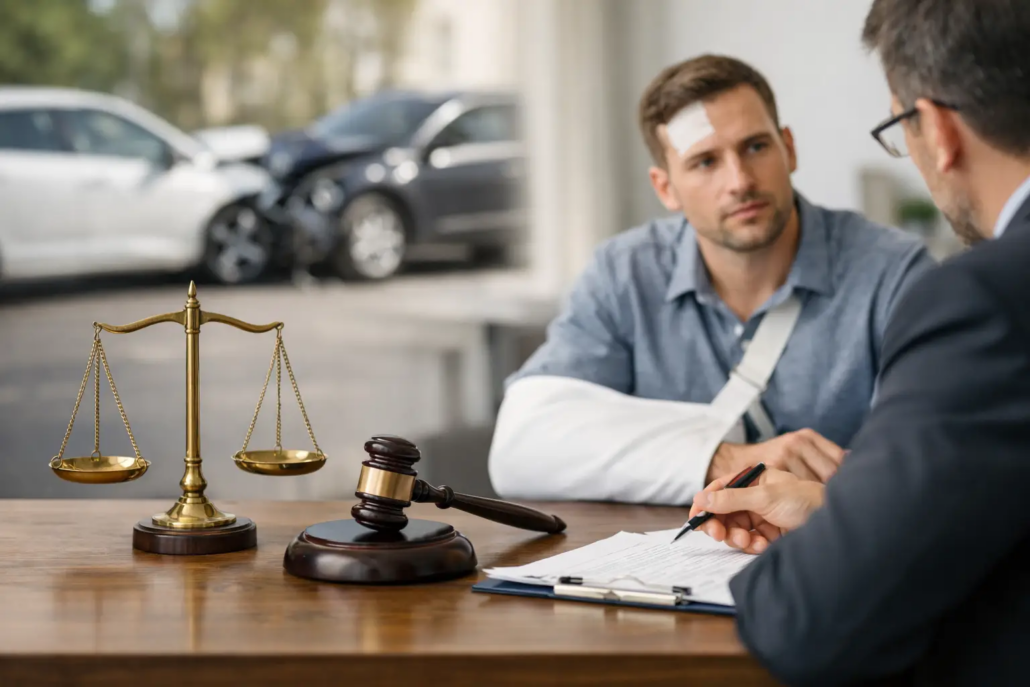
Example of Personal Injury Claims Explained
One phone call can change the course of your life. A crash on the way to work, a hard fall in a grocery store, or a doctor’s mistake can leave you in pain, out of work, and staring at bills that should never have been yours to carry. If you are searching for an example of personal injury claims, you probably do not want a law school lecture. You want to know what a real claim looks like, what makes it strong, and what could affect the money available for your recovery.
The short answer is that a personal injury claim is a demand for compensation after someone else’s careless or wrongful conduct causes harm. But every case turns on facts. The injury matters. The evidence matters. The insurance coverage matters. And the way the case is handled matters more than most people realize.
An example of personal injury claims in real life
Imagine a driver in Miami is stopped at a red light. Another driver looks down at a phone, never brakes, and slams into the back of the stopped vehicle at full speed. The injured driver is taken to the emergency room with neck pain, severe back pain, headaches, and numbness down one arm.
In the days that follow, the symptoms get worse. An MRI shows herniated discs. The injured person starts physical therapy, misses weeks of work, and struggles to sleep or care for family. The at-fault driver’s insurance company opens a bodily injury claim. That is a personal injury claim.
The injured person, through an attorney, presents evidence showing the other driver caused the wreck and that the wreck caused real harm. The claim may seek payment for medical bills, lost income, future treatment, pain and suffering, and other losses tied to the crash. If the insurance company refuses to pay fairly, the claim may move into a lawsuit.
That is one of the clearest examples because car accidents often involve obvious negligence. Still, even in a rear-end crash, insurers look for ways to minimize what happened. They may argue the injury was preexisting, the treatment was excessive, or the pain is not as severe as claimed. A strong case answers those attacks with records, testimony, and a clear timeline.
What must be proven in a personal injury claim
At its core, most claims come down to negligence. That means showing someone had a duty to act reasonably, failed to do so, and caused injury as a result. In the car accident example, every driver has a duty to pay attention and drive safely. A distracted rear-end collision is often strong evidence that duty was broken.
But proof is not always simple. Causation can become the fight. If someone already had back pain before a crash, the insurer may say the accident changed nothing. If a victim waits too long to get treatment, the defense may argue the injury came from something else. That does not mean the case is lost. It means the details need to be handled carefully.
Documentation often makes the difference. Medical records, imaging, photos, witness statements, wage records, and expert opinions can all help connect the incident to the harm. The stronger the paper trail, the harder it is for an insurer to pretend the damage is minor.
Other common examples beyond car accidents
An example of personal injury claims does not have to involve a highway collision. Many valid claims begin in places people trust to be safe.
A slip and fall case may arise when a business leaves water on the floor without warning customers. If someone falls, fractures a hip, and needs surgery, the claim may focus on whether the property owner knew or should have known about the hazard and failed to fix it.
A medical malpractice claim can grow out of a delayed diagnosis, a surgical error, or a medication mistake. These cases are more complex because they usually require expert support to show that a medical provider failed to meet the accepted standard of care.
A boating or maritime injury claim may happen when an operator is reckless, intoxicated, or ignores safety rules. In Florida, those cases are not rare, and they can involve serious injuries with unique legal issues.
A workplace-related injury might also create a third-party personal injury claim if someone other than the employer caused the harm. For example, if a delivery driver is hit by a negligent motorist while on the job, there may be a claim against that driver.
Each type of case has its own challenges. A fall case may turn on surveillance footage. A malpractice case may turn on expert testimony. A car crash case may turn on impact evidence and treatment records. The legal label matters less than the ability to prove fault and harm.
What damages may be included
People often think a claim is just about medical bills. It is more than that. A serious injury can take income, independence, peace of mind, and the ability to live normally.
Economic damages may include emergency care, hospital bills, follow-up treatment, prescriptions, physical therapy, lost wages, reduced future earning ability, and other measurable losses. Non-economic damages may include pain and suffering, emotional distress, disability, disfigurement, and loss of enjoyment of life.
In some cases, future damages are just as important as current bills. A person with a permanent spinal injury may need long-term care, future procedures, or work restrictions that change everything about financial stability. That is why quick settlement offers are so dangerous. They may sound helpful when money is tight, but once accepted, they usually end the claim for good.
Why two similar cases can have very different value
This is where many people get frustrated. Two people can both be hurt in crashes, but the value of their claims may be very different. That is not always unfair. Sometimes one person heals in six weeks and another needs surgery. Sometimes one case has clear liability and another has disputed fault. Sometimes there is strong insurance coverage, and sometimes the available policy is limited.
Timing also matters. Prompt medical attention tends to help both health and the legal claim. Gaps in treatment can create openings for the defense. So can social media posts that appear to contradict the injury, even when taken out of context.
There is also the issue of comparative fault. If the defense can show the injured person was partly responsible, that can reduce recovery. Florida law has changed in recent years, and fault allocation can have a major impact on what someone ultimately receives. That is one reason broad online settlement estimates are often misleading.
What the claims process usually looks like
Most people are dealing with pain, doctor visits, car repairs, and missed work while trying to understand their rights. The process usually starts with investigation. Evidence is gathered, insurance policies are identified, and medical treatment is tracked.
Once the injured person reaches a point where the damage can be understood, a demand may be made to the insurer. That package typically explains what happened, why the other party is responsible, and what compensation is justified. Negotiation follows.
Some cases settle through strong preparation and pressure. Others do not. If the insurer refuses to act fairly, filing a lawsuit may be necessary. That does not mean the case will definitely go to trial, but it sends a message that the injured person is ready to fight for full accountability.
That fight matters because insurance companies are businesses. They protect profit first. They may sound polite on the phone while building a file designed to pay as little as possible. When someone is already hurting, that can feel deeply personal. And honestly, it is.
When to speak with a lawyer
If your injuries are minor and fully resolved, you may be able to handle a small claim on your own. But once the injuries are serious, the treatment is ongoing, fault is disputed, or the insurer starts pushing back, the stakes change fast.
A lawyer can help preserve evidence, deal with the insurer, calculate damages, and protect you from mistakes that can weaken the claim. In a place like Miami, where traffic collisions are common and insurers defend claims aggressively, early guidance can make a real difference.
At Madalon Injury Law, we understand what these cases mean to real families. It is not just paperwork. It is pain, missed birthdays, sleepless nights, and fear about what comes next. That is why every detail deserves serious attention.
If you were hurt because someone else was careless, do not measure your case by a single online number or a quick comment from an adjuster. The better question is whether the full story of your injury has been seen, documented, and fought for. When your life has been disrupted, the right claim is the one that reflects all of it.